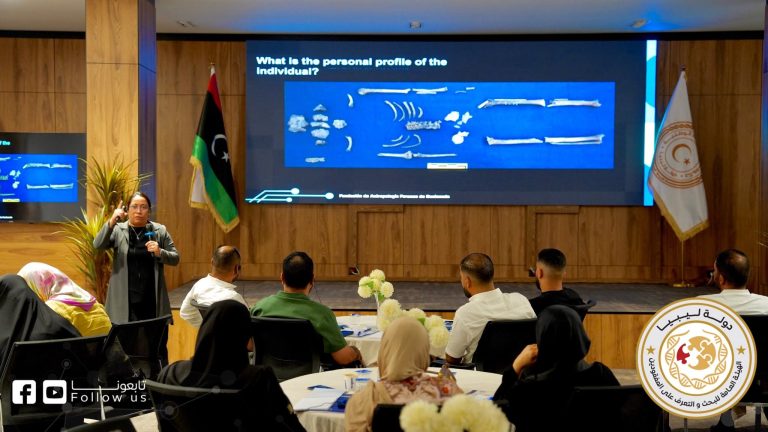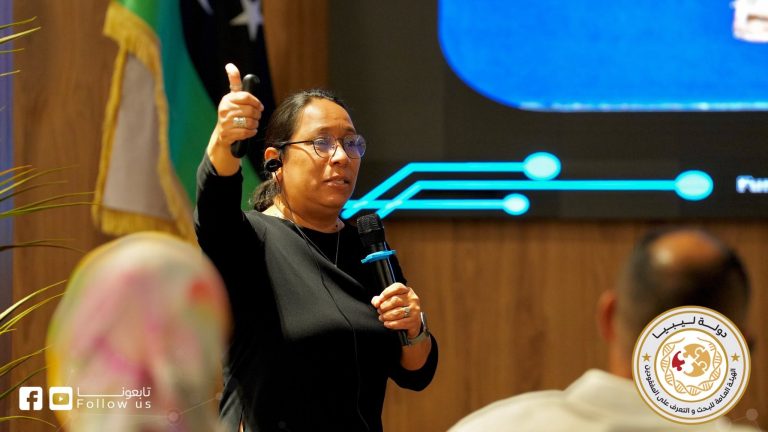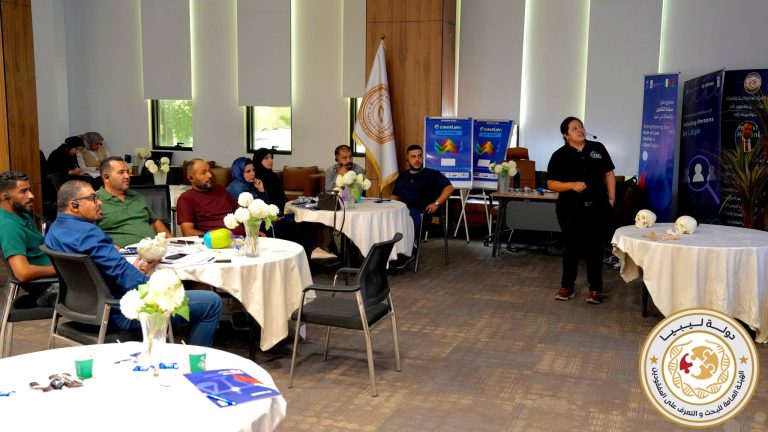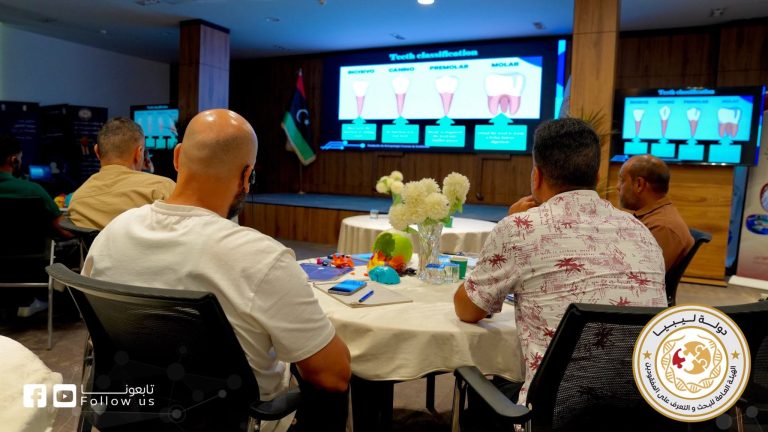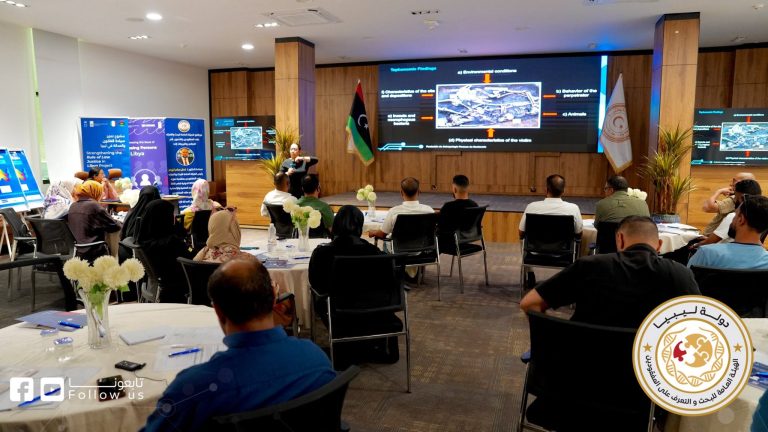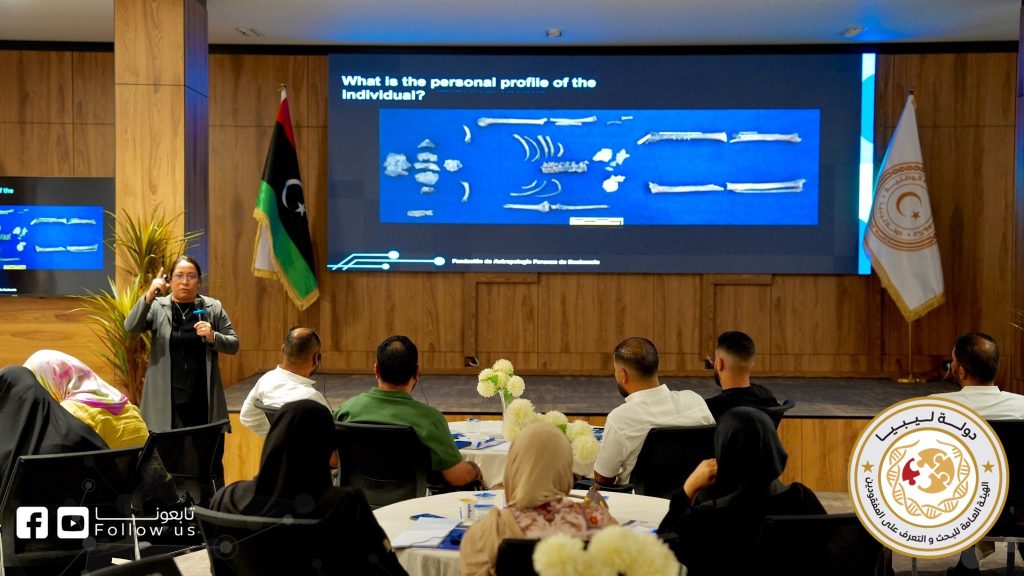
THE specialized training program in Forensic Anthropology officially launched on sunday at the headquarters of the General Authority for Search and Identification of Missing Persons (GASIMP). The program is implemented in cooperation with the Guatemalan Forensic Anthropology Foundation (FAFG) and supported by the United Nations Development Programme (UNDP), aiming to advance the technical capabilities of personnel working in the fields of missing persons search and identification.
Interdisciplinary Participation
The training program features 30 participants from GASIMP’s specialized technical departments, representing the fields of Remains Recovery, Forensic Medicine, and Family Registration. This diverse participation is designed to enhance integration among the various disciplines involved in the search and identification processes.
Scientific Foundations and Modules
The program commenced with modules covering the scientific foundations of forensic anthropology and its role in human remains analysis. Key topics included:
-
Estimating biological profiles from skeletal remains.
-
Understanding bone trauma and post-mortem changes.
-
Supporting identification processes in accordance with international standards.
Duration and Methodology
Spanning five days with eight training hours per day, the program combines theoretical sessions with practical applications. It covers field methodologies for handling human remains, examination and documentation techniques, sampling and management mechanisms, and scientific best practices in both humanitarian and forensic investigations.
Adopting Global Standards
This initiative is part of GASIMP’s ongoing efforts to boost the efficiency of its workforce, transfer international expertise, and standardize technical procedures. These steps are vital to developing a robust search and identification system that aligns with the latest scientific and professional global standards.